Safe and Responsible Driving: theory test questions
420 questions from the Irish Driver Theory Test, each with the correct answer and an explanation.
- In what way do motor vehicles harm the environment?Answer: By increasing carbon monoxide levels.
- The driver is approaching traffic lights that they know have been green for some time. What should the driver do?Answer: The driver should be aware that the lights may change before they reach them and be prepared to stop.
- Is tailgating allowed on a motorway or dual carriageway?Answer: No, because the vehicle in front may stop suddenly.
- Is a driver allowed to sound the horn while driving in a built-up area at night?Answer: Yes, but between 11:30 pm and 7:00 am the horn may be sounded only in an emergency.
- The vehicle’s exterior mirrors are covered by a film of mud and dust. What should the driver do?Answer: Clean them with a cloth or tissue before starting their journey.
- There are pedestrians on the footpath ahead and there are pools of water on the road. What should a driver do?Answer: Reduce speed and try to avoid the pools of water so as not to splash the pedestrians.
- What can be achieved by the driving style known as “Eco-Driving”?Answer: Increased fuel efficiency.
- What can be achieved by the driving style known as “Eco-Driving”?Answer: Reduced fuel consumption.
- What can be achieved by the driving style known as “Eco-Driving”?Answer: Improved road safety.
- What could a driver do in order to avoid excessive exhaust pollution from their vehicle?Answer: Have the vehicle's air filters changed regularly.
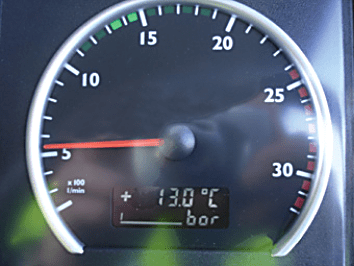
- What does a rev counter provide information on?Answer: Engine revolutions.
- What can a driver do to stay alert on a long journey?Answer: Stop, park in a safe place and have a cup of coffee.
- What does blue smoke coming from the vehicle’s exhaust generally mean?Answer: The engine is burning oil.
- What is the danger in driving at high speeds on wet roads?Answer: Danger of 'aquaplaning' or sliding across the road surface.
- What effect does alcohol have on driver behaviour?Answer: It slows down a driver's reactions.
- What is a courtesy pedestrian crossing?Answer: An uncontrolled pedestrian crossing place.
- What is the likely effect of motorists ‘rubbernecking’ at the scene of a traffic incident?Answer: It can cause additional incidents as drivers become distracted.
- What is a possible effect of over-filling the engine with oil?Answer: It could damage the catalytic converter.
- What effect could a rear-tyre blow-out have on a vehicle?Answer: It could cause the vehicle to sway from side to side.
- What effect can wet weather have on a vehicle’s exterior mirrors?Answer: Water droplets can obscure the reflected image.
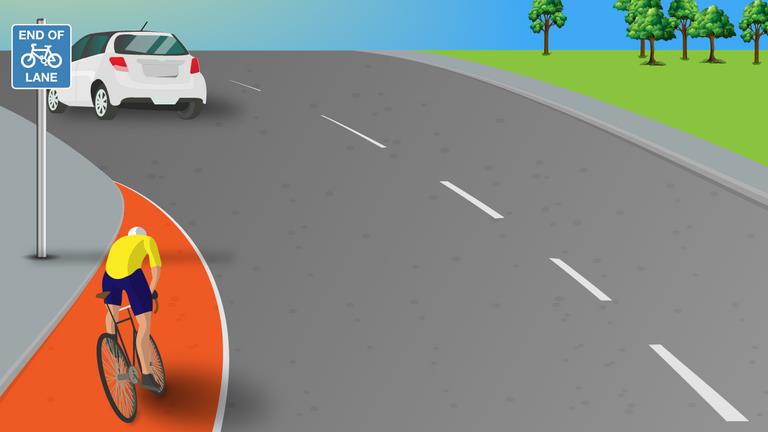
- What should a driver be aware of in this situation?Answer: The cyclist may move onto the roadway without paying attention to moving traffic.
- What is the recommended minimum stopping distance for a car travelling at 50 km/h on a wet road?Answer: 36 metres.
- What position should a driver generally adopt on approach to a roundabout when intending to take the first exit to the left?Answer: Approach in the left-hand lane.
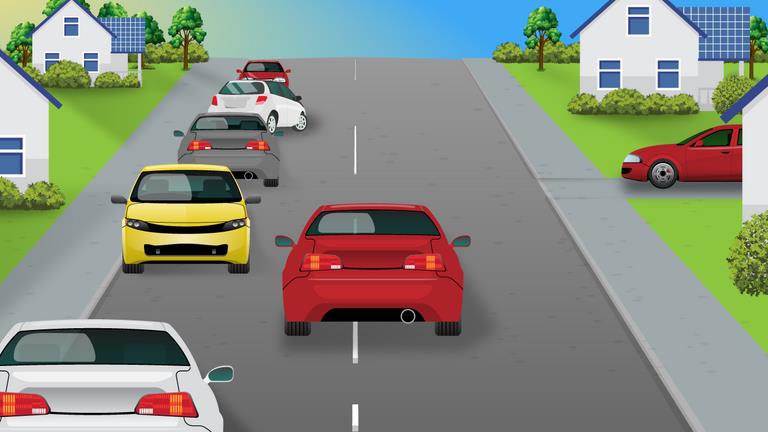
- What should a driver be aware of when approaching a vehicle which is attempting to park?Answer: That the vehicle being parked may move out without warning.
- What should a driver be aware of before crossing railway or tram lines?Answer: There may be an uneven surface and tyre grip may be reduced when crossing the rails.
- What lights should a vehicle show at dusk?Answer: Dipped headlights.
- What procedure should a driver follow when intending to overtake a cyclist travelling in the same direction up ahead?Answer: Mirror check, indicate and move out if it is safe to do so.
- What is the recommended minimum stopping distance for a car travelling at 100 km/h on a dry road?Answer: 70 metres.
- In general, when turning right on a two-way road, where should a driver position the vehicle?Answer: Just left of the middle of the road.
- What should a driver do who wishes to turn a vehicle around on the road?Answer: Check ahead and behind for oncoming traffic and turn the vehicle around while still keeping a look out.
- What should be considered when reversing out of a parking space?Answer: Check for pedestrians and vehicles all around.
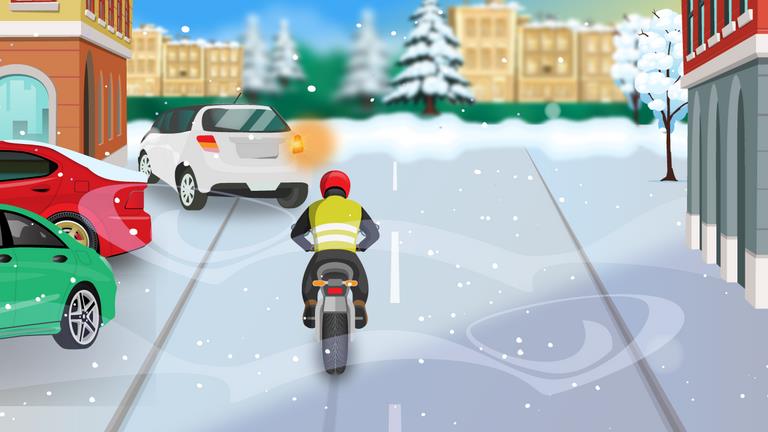
- What should a driver be aware of when following the motorcyclist, and the white car is reversing onto the road?Answer: The driver following the motorcycle may need a longer braking distance than normal.
- What should a driver who wishes to perform a U-turn do?Answer: Check that the road is not one way.
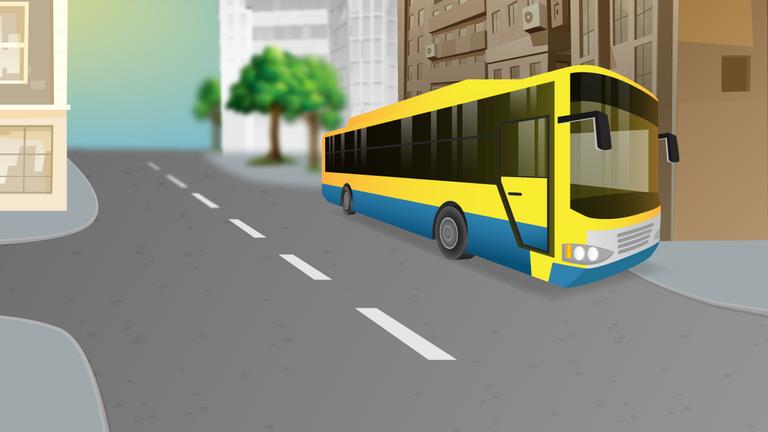
- What should a driver be conscious of in this situation?Answer: People crossing the street at the rear of the bus.
- What should a driver do when they see plant or machinery crossing the roadway at roadworks up ahead?Answer: Slow down and prepare to stop.
- What should a driver do when they intend to make a left-hand turn at a junction where there are cyclists and e-scooter users present?Answer: Use your mirrors to check for cyclists and e-scooter users on the left before turning.
- What should a driver do when travelling on a country road with following traffic, and they meet pedestrians?Answer: Signal their intention to overtake the pedestrians.
- What should a driver do when they see joggers ahead on the left?Answer: Check the mirrors, indicate and overtake, allowing them enough clearance.
- What should the driver do when driving a vehicle they are not familiar with?Answer: Initially drive with extra care and at a lower speed until fully familiar with the vehicle.
- What should drivers do if they become drowsy while driving?Answer: Stop, take a break including a short walk if possible.
- What should the driver be aware of when crossing road markings such as lines and directional arrows in wet weather?Answer: The required stopping distance is increased due to reduced tyre grip.
- What should the driver do if there are children playing at the edge of the roadway?Answer: Reduce speed, drive cautiously and remain ready to brake.
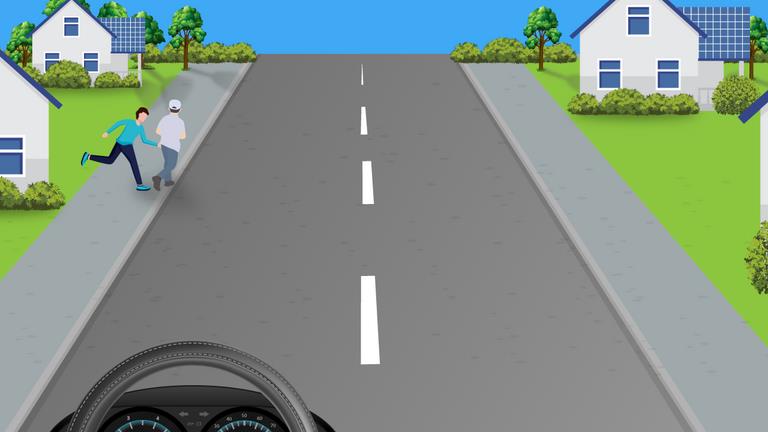
- What should the driver do when approaching a humpbacked hill?Answer: The driver should reduce speed, keep to the left and be alert for hazards ahead.
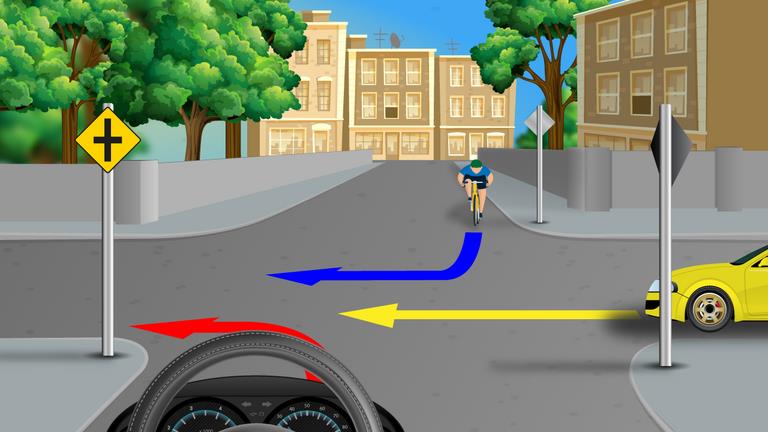
- What should the driver do?Answer: The driver should allow the yellow car to proceed.
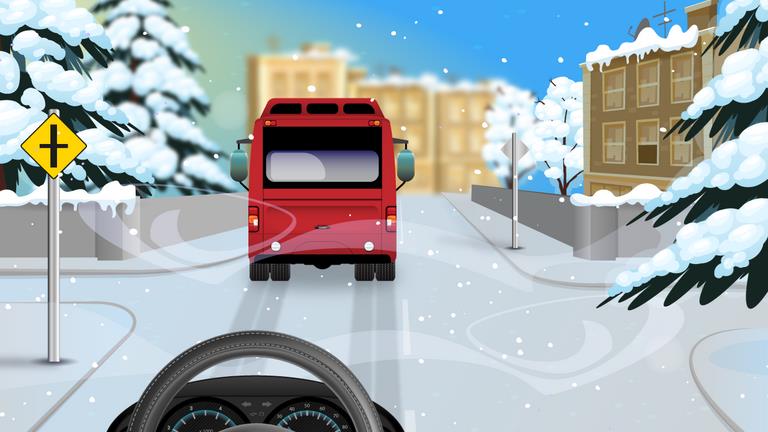
- What should the driver allow for when following the bus on an icy road?Answer: A longer braking distance is required.
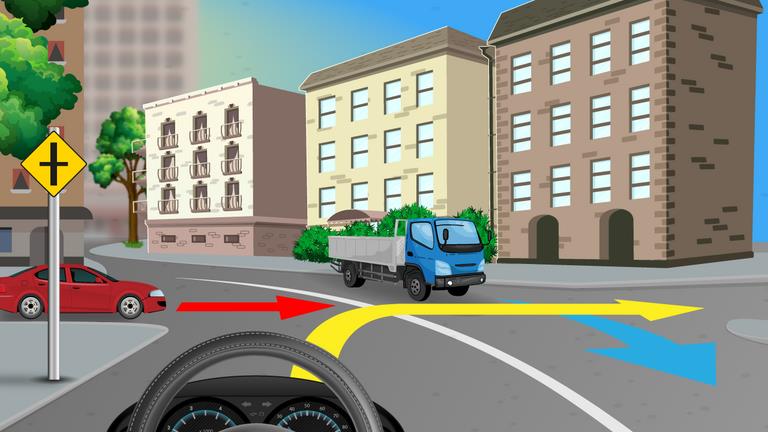
- What should the driver do in this situation?Answer: The driver must allow the blue truck to proceed.
- What specific observations should a driver make before reversing a vehicle fitted with an external audible warning device?Answer: Observations should be made to the front, sides and rear of the vehicle, including blind spots.
- When another driver is in a hurry and cuts in front what should a driver do?Answer: Be patient and do not react.
- When a driver intends to make a left-hand turn at a junction where there are pedestrians and cyclists present, what should a driver do?Answer: Check your mirrors and watch for cyclists or pedestrians on the left.
- What traffic may use a with-flow bus lane during the times specified on information signs at the start of the lane?Answer: Buses, taxis and cyclists.
Ready to test yourself?
Answer Safe and Responsible Driving questions one at a time, check each answer, and revisit your mistakes.
Practise this topic